
February 14, 2026 at 05:03 PM EST
Sharing a few Korean notes in Vue components
February 14, 2026 at 05:03 PM EST
Sharing a few Korean notes in Vue components
Astro allows you to play with various frameworks, and I thought it’d be a good move to turn some language notes into Vue components for fun. In a previous post, I relied solely on CSS and Javascript for text effects, but I wanted more options this time around. Lately, I haven’t been studying Korean or Japanese as I’m focused on other projects —1. coding takes up all my brain power. Making these posts does refresh my knowledge though!
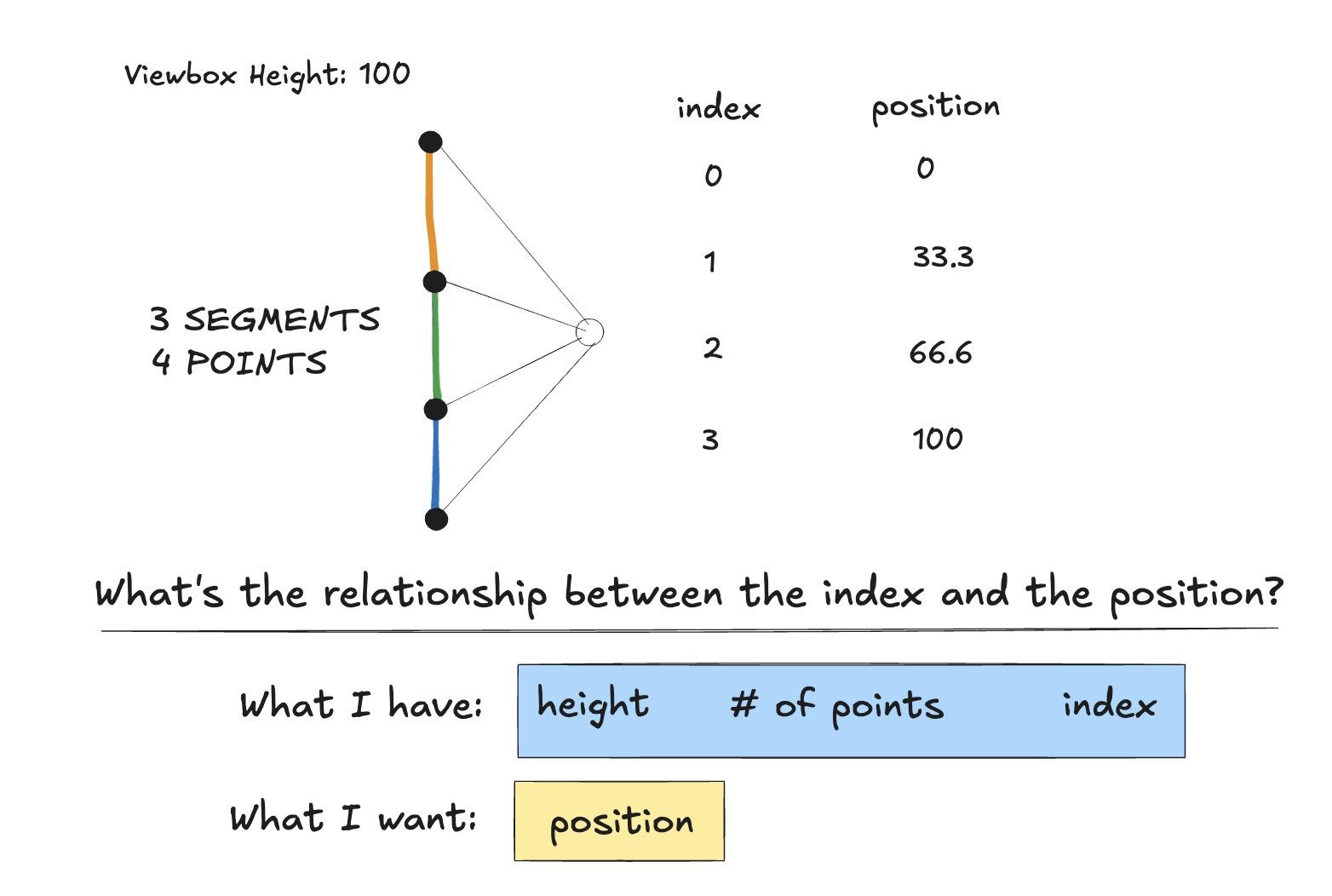
Before making sentences, knowing what words can precede and follow each other is an simple yet effective technique for learning them. Tap on the preceding (P) and following (F) buttons to display the word links. I took a crack at making them with SVGs2., and it was a fun little maths challenge to figure out how to arrange the connector lines.
times, 時代
problem, 問題
experience, 経験
policy, 政策
The following grammar points continue to elude my understanding, so I’m adding them as reminders, and provide my own explanations of them. Hover over the sentences to see the English translation.3.
하는 is used to describe or modify (e.g., '하는 일' = work that one does), while 한다는 is for reporting what someone said or does (e.g., '한다는 말' = the statement that one does it). The latter is akin to 'it's said that' or 'reportedly'. For the last one, take with a grain of salt, but 하다는 is less common in everyday conversation; you'd see it mainly in definitions or abstract discussions of concepts.
Tip: State facts
1. 성공하는 사람은 자신을 믿는다.
People who succeed believe in themselves.2. 방을 깨끗이 하는 것은 집중력에 도움이 된다.
Having a clean room improves focus.Tip: Discuss facts or beliefs
1. 나는 자신을 믿는 사람은 반드시 성공한다는 것을 믿는다.
I believe people that people who believe in themselves are guaranteed to succeed2. 최근 연구에 따르면, 방을 깨끗이 한다는 것이 집중력에 좋다고 한다.
According to a recent study, having a clean room is beneficial to concentration.3. 잘 공부하다는 것이 무엇입니까?
What does it mean to study well?Both are used as conversation softeners for questions with the latter being exclusively employed with verbs. 인가요 is often seen with yes/no state questions while 나요 has a more inquisitive/curious tone to it. Ideally, you shouldn't overthink it — it comes naturally.
Tip: Polite yes/no questions
1. 조는 버스커인가요?
Is Joe a busker?2. 그 춤 추기는 어려운가요?
Is this dance move difficult to do?Tip: Seeking further context or information
1. 요즘 프로그래밍 많이 하고 있나요?
Have you been programming a lot lately? (Anything else?)2. 어제 기술 컨벤션에 갔나요?
Did you go to the tech meetup yesterday? (How was it?)The 더~ connectors report a speaker's experience of a situation, with each giving a different nuance. 더라고 conveys the speaker's experience in a situation they directly observed or participated in. 더니 contrasts two clauses (A,B) where B is often the result or consequence of A. 던데 is used when the speaker is surprised about a situation and could expect the listener's response. 던가 indicates the speaker's attempt to recall or confirm forgotten information. These are very challenging to grasp, and it's always interesting asking native speakers about them, because there's never a clear-cut answer.
Tip: Talk about a personal experience
1. 나는 일본 장마철은 정말 싫더라고요.
I don't like Japan's rainy season at all.2. 지난 주 인터뷰 때문에 걱정되더라고요.
I experienced nervousness from my interview last week. (literally)Tip: A, then B is neutral/surprising consequence
1. 어제 눈 속에서 달렸더니 양말이 흠뻑 젖었어!
I ran in the snow yesterday, and my socks got soaked!2. 오늘 하루 종일 '소프라노스'를 봤더니, 이제 '마론' 말하게 됐어.
I watched the Sopranos all day, and now I started saying 'Marone'.Tip: Elicit a response from the listener
1. 이 동네에 사람들이 많던데, 여기 땅값 비싼가요?
There used to be a lot of people living in here, did the price of land go up? (what happened?)2. 이 배우는 유명한데, 그의 최신 영화는 아무도 안 봤던데요.
This actor is famous, but no one watched his latest movie (What's up with that?)Tip: Fuzzy memory (sentences below can be replaced with 지)
1. 지우개를 어디에 두었던가?
Man, where did I put my eraser?2. 그 사람 이름이 뭐였던가?
What was that person's name?Tip: Realization, discovery of something you've experienced
1. 혼자 사는 게 꽤 좋더군요.
Living alone is pretty nice.2. 환경이 모든 것을 바꾸더군요.
I realized that environment changes everything.
These are texts I wrote for practice to prepare for TOPIK. My dear friends “D” and “S” helped me a lot. You can tap the buttons below the text to see the corresponding parts of speech highlighted. For clarification, the highlighted words may include attached particles. This could become a mini-project on its own, using NLP to label the words accordingly. Please note that not all words have been tagged, and that I left out the more intricate/complex parts of speech.
요즘 대학교에 가는 사람들이 많아지고 있다. 사람마다 대학에 진학하는 이유나 목표가 다양하다. 일부 사람들은 학문 자체를 좋아하거나 특별한 분야의 전문가가 되기 위하여 대학에 진학한다. 다른 사람들은 사회에서의 취업의 기회를 갖기 위해 대학교육을 받는다. 구체적으로 대학의 역할 무엇일까? 대학의 중요한 역할은 고등 교육을 한 긍정적인 환경을 제공한다. 즉 대학 수업을 통해서 높은 지혜를 배움으로써 전문성을 기를 수 있다. 더불어 교수나 전문가가 있기 때문에 학생들의 진로 결정에 큰 도움을 줄 수 있다. 학생들은 대학에서 얻는 지혜를 활용하여 복잡하거나 고차원적인 문제를 해결할 수 있다. 그 결과 대학교육 덕분에 학생들은 사회에서 요구하는 능력을 갖추어 취업의 기회를 갖는다. 그러나 대학은 그 역할을 원활하게 수행하기 위해서는 무엇보다 학습을 의한 건강한 환경을 유지해야 한다. 예를 들어 대학생의 과도한 경쟁을 제한하거나 대학생에게 학문적 조언 또는 취업을 위한 상담 서비스를 제공해야 한다. 또한 모든 학생에게 평등한 교육을 제공해야 한다.
This was a long post to write, because I had to proofread my Korean sentences and fiddle with the SVG viewBox at the same time. In writing these posts, I’ve developed the quirk of compulsively looking up synonyms. That being said, I want to continously improve at communicating my thoughts through writing, so if there are any sentences in Korean (or English for that matter) that read awkwardly, please let me know me by leaving a comment below. Your kind encouragements are welcome too :).
No comments on this post yet. Be the first to share your wisdom :).